Transforming Balaganj: Ensuring Safe Drinking Water and Sanitation for All
Introduction
Access to water in Bangladesh has improved significantly over the years, but ensuring its quality and safety remains a critical challenge. With arsenic contamination affecting water sources, many communities are left vulnerable. The Technical Assistance to DPHE for Strengthening Community Capacity and Arsenic Mitigation Initiatives project, implemented by Asia Arsenic Network (AAN) with support from UNICEF, has been working diligently to address this issue in the Balaganj Upazila of Sylhet District.
From October 2022 to December 2024, the project focused on transforming four unions—Balaganj, Purba Pawlanpur, Paschim Gouripur, and Dewan Bazar—into arsenic-safe unions with improved sanitation and hygiene practices. The initiative aimed to strengthen DPHE and LGIs, empower community leaders, and ensure access to arsenic-free water and proper sanitation for the entire population.
Key Achievements
🚰 Safe Drinking Water for All
- A detailed Community Situation Analysis (CSA) identified water sources, contamination levels, and sanitation needs.
- Over 5,800 functional water points were assessed, with 4,986 categorized as arsenic-safe.
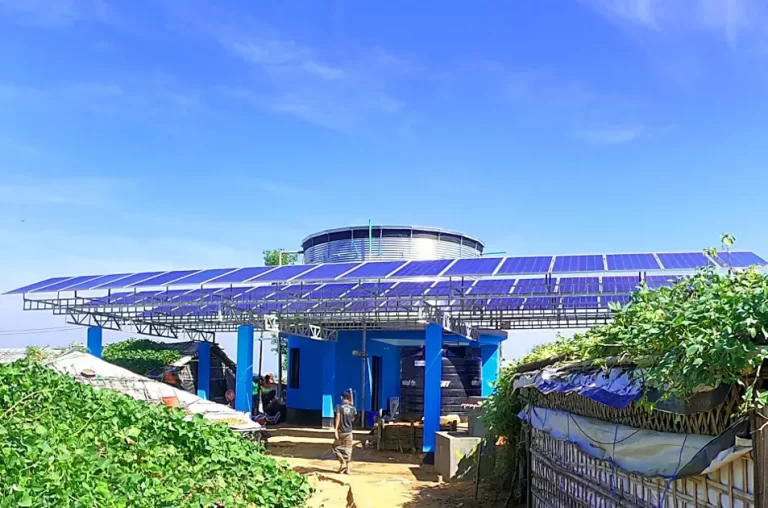
- 557 new water points were proposed to ensure 100% safe water coverage.
- 64 inactive water points were rehabilitated, benefiting 3,204 people.
🚽 Sanitation & Hygiene Improvement
- Over 10,000 households transitioned from unimproved latrines to hygienic ones.
- 1,032 new latrines were installed through community motivation efforts.
- 11,624 handwashing devices were installed, promoting proper hygiene practices.
- 1,624 families switched to arsenic-safe water sources through awareness campaigns.
🏫 Community Engagement & Capacity Building
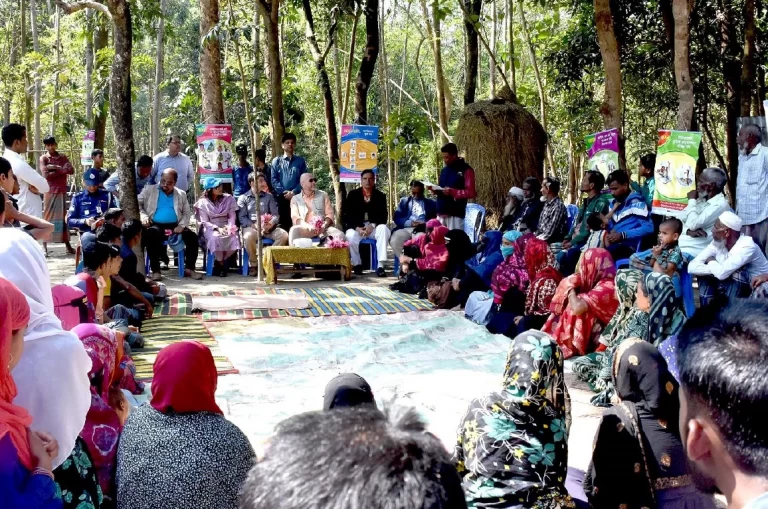
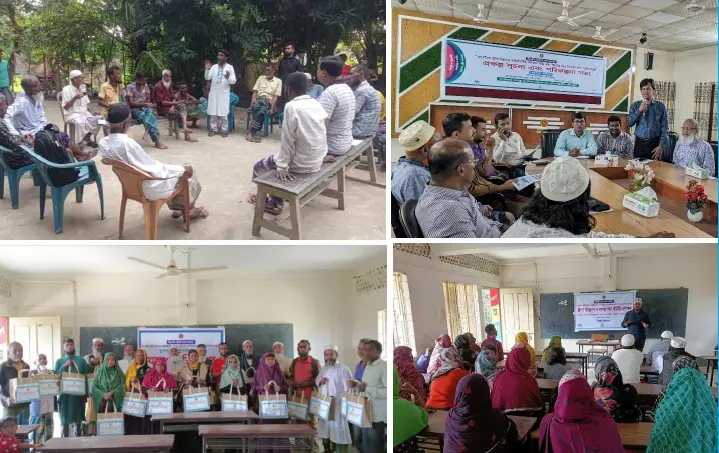
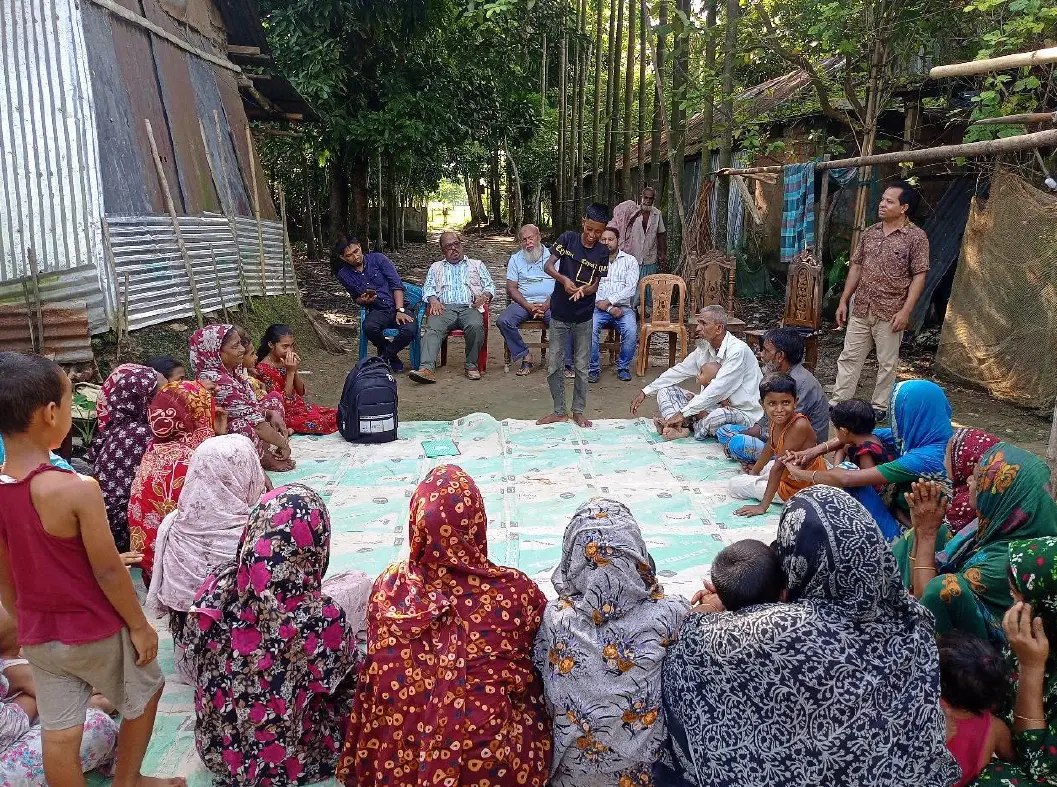
- Community-Based Organizations (CBOs) played a crucial role in implementation, with 174 CBOs actively engaged.
- Monthly CBO meetings ensured continuous monitoring and improvement of sanitation practices.
- Training programs strengthened DPHE, LGIs, and community leaders, empowering them to sustain improvements.
- The project introduced Water Safety Plan (WSP) corners, allowing villagers to test arsenic levels independently.
Challenges & Lessons Learned
Despite remarkable achievements, challenges remained:
- Low water tables during dry seasons made deep tube well installations difficult.
- Some areas had geological challenges with gravel layers, hindering water access.
- The absence of permanent roads in hoar regions complicated project implementation.
- Arsenic contamination in deep aquifers required ongoing monitoring and mitigation strategies.
Through innovative problem-solving, DPHE and local stakeholders adapted strategies, such as installing deep tube wells with submersible pumps and implementing community-led sanitation models.
Looking Ahead
The project’s success has laid the groundwork for long-term impact. With four unions officially declared arsenic-safe, the model can now be expanded. Future efforts will focus on: ✅ Strengthening community-led water and sanitation systems. ✅ Scaling up arsenic-safe villages across more regions. ✅ Ensuring continuous monitoring and water quality testing. ✅ Promoting climate-resilient WASH solutions for flood-prone areas.
This project represents a major step forward in securing safe drinking water and sanitation for the people of Balaganj, ensuring a healthier and safer future for all.
📎 Final Report: