Ensuring Safe Drinking Water for All: The Kanaighat Upazila Initiative
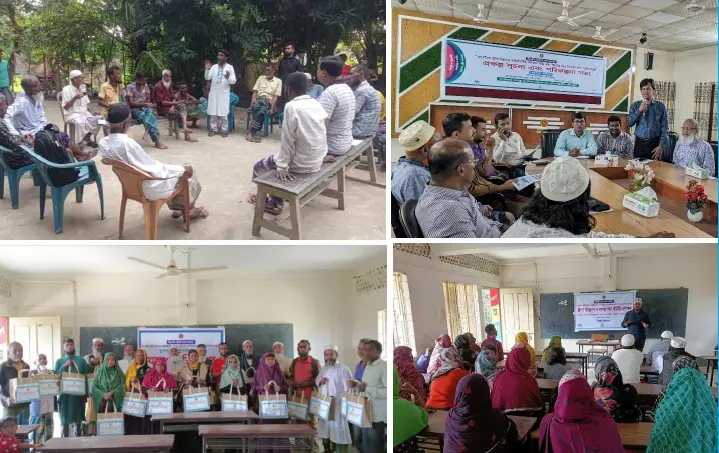
Access to clean drinking water is a fundamental right, yet many communities worldwide still struggle with contamination, particularly arsenic. In Bangladesh, where arsenic contamination threatens public health, efforts have been made to mitigate the issue and provide safe water for affected communities. One such project, “Technical Assistance to DPHE for Strengthening Community Capacity and Arsenic Mitigation Initiatives to Ensure Drinking Water Safety for All,” implemented by the Asia Arsenic Network (AAN) and supported by UNICEF, has made significant strides in Kanaighat Upazila of Sylhet District.
Project Overview
Despite Bangladesh achieving 98.5% coverage of improved water supply, only 42.6% of households have safe drinking water free from arsenic and E. coli contamination. Recognizing the urgent need for intervention, the Asia Arsenic Network, in collaboration with DPHE and UNICEF, has taken action in six highly arsenic-affected unions of Kanaighat Upazila.
The project’s primary goals include:
- Strengthening capacity for arsenic screening and water safety planning.
- Ensuring equitable access to safe drinking water and sanitation facilities.
- Promoting sustainable hygiene behaviors among the affected communities.
Geographic Focus and Community Engagement
The project targeted six unions in Kanaighat Upazila:
- Bara Chatul Union
- Dighirpar Purbo Union
- Paschim Laxmi Prasad Union
- Satbak/Paschim Digirpar Union
- Kanaighat Union
- Purbo Laxmi Prasad Union
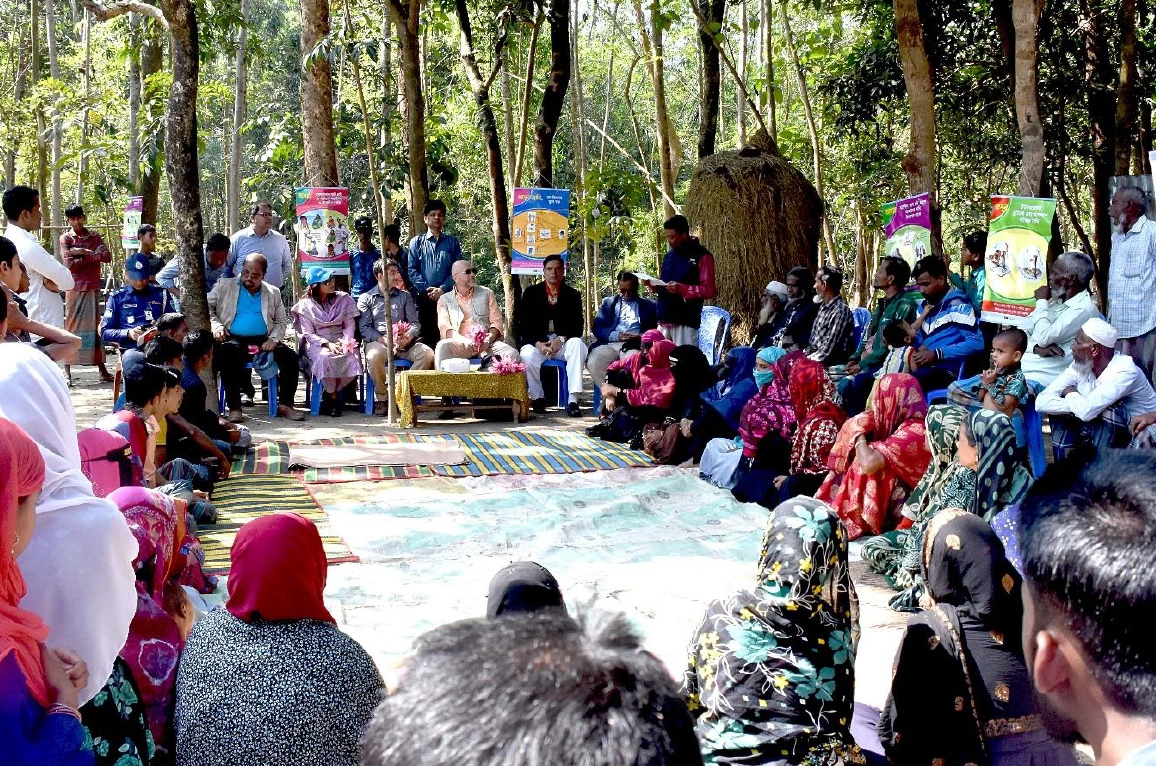
AAN conducted Community Situation Analysis (CSA) and identified a critical gap in safe drinking water sources. Out of 1,134 water points surveyed, 733 were confirmed arsenic-safe, while many others remained contaminated or untested. Additionally, 8,245 households (32%) had access to improved toilets, but nearly 9% of families lacked sanitation facilities entirely.
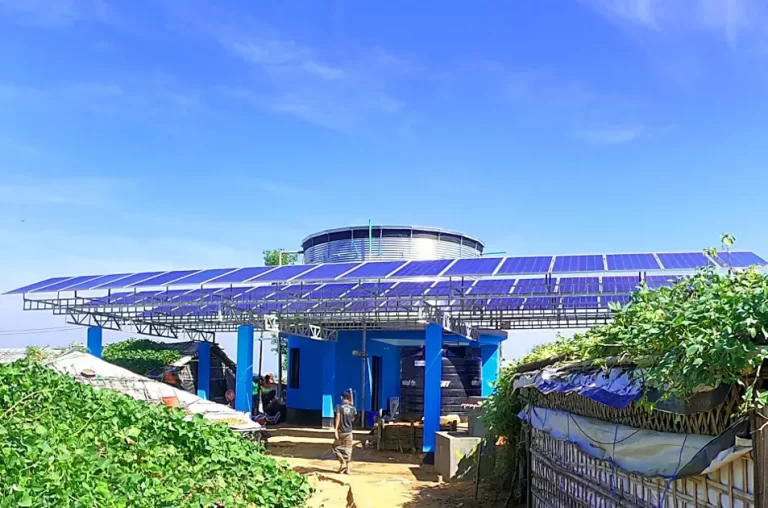
To address these issues, AAN facilitated equity-based site selection for new water points and supported DPHE in installing safe water sources, rehabilitating inactive wells, and training local caretakers for sustainable maintenance.
Key Achievements
Through this initiative, Kanaighat Upazila has seen remarkable progress:
- 572 new arsenic-safe water points installed in communities most in need.
- 66 contaminated or inactive water points rehabilitated, benefiting 5,536 people.
- 1,156 caretakers trained to manage and maintain water facilities.
- 6,955 households switched to arsenic-safe water sources through awareness campaigns.
- 17,300 handwashing devices installed, promoting hygiene practices.
- 2,213 new latrines built and 15,123 latrines upgraded, reducing open defecation.
Challenges and Way Forward
While significant advancements have been made, challenges remain:
- Geographical constraints, such as underground rock layers, make installing deep tube wells difficult.
- Seasonal flooding disrupts water access and sanitation infrastructure.
- Arsenic contamination persists in some areas, requiring further mitigation measures.
- Limited water testing facilities in remote regions delay intervention efforts.
To overcome these obstacles, stakeholders are exploring innovative solutions such as piped water supply systems, rainwater harvesting, and improved filtration technologies. The ongoing collaboration between government bodies, NGOs, and local communities is essential to ensuring long-term success.
Conclusion
The Kanaighat Upazila project stands as a model for arsenic mitigation and sustainable water access. Through targeted interventions, collaboration, and community engagement, significant strides have been made toward creating arsenic-safe unions. However, continued effort and investment are needed to expand access to safe drinking water across more regions.
For a detailed breakdown of project activities, achievements, and future plans, refer to the full report, attached to this blog post.